Stepping through the Imperial Gate of Topkapi Palace is like walking into a living chronicle of the Ottoman Empire. While the sheer scale of the complex can be overwhelming, most visitors in January 2026 tend to follow a predictable path: they queue for the Harem, marvel at the Spoonmaker’s Diamond, and take a quick photo of the view over the Bosphorus. However, for the discerning traveler, the true magic of this sprawling museum lies in its details. Beneath the surface of the popular highlights are layers of history and artistry that often go unnoticed by the hurried crowds. To truly understand the grandeur of the Sultans, one must look into the quiet corners and examine the lesser-known artifacts that tell the most intimate stories.
Exploring Topkapi requires a shift in perspective. It is not just about seeing the opulent wealth, but understanding the sophisticated culture that produced it. The palace is a labyrinth of secrets, where a specific tile pattern can reveal a political alliance, or a seemingly simple bowl can tell a tale of imperial paranoia. If you are planning your visit this season, prepare to detour from the main tour groups. We are diving deep into the hidden gems that make this museum a treasure trove of world heritage.
The Imperial Kitchens and the Legend of Celadon
To the right of the Second Courtyard, the massive chimneys of the Imperial Kitchens dominate the skyline. While many visitors walk through quickly to see the sheer size of the cooking quarters, the real treasure is housed in the Chinese Porcelain section. Topkapi possesses one of the finest collections of Chinese porcelain in the world, numbering over 10,000 pieces, yet it is frequently bypassed. The visual impact of these shelves, stacked high with blue and white Ming dynasty wares, is stunning, but the specific Celadon collection deserves your undivided attention.
The Celadon vessels, recognizable by their distinct pale green glaze, were not just prized for their beauty. In the Ottoman court, they held a far more practical and deadly function. Legend dictated that this specific type of porcelain would change color or crack if it came into contact with poisoned food. For the Sultans, who lived under the constant threat of assassination, these bowls were an essential line of defense. When viewing these exhibits, look closely at the intricate textures under the glaze; these were the silent guardians of the Imperial table.
The Library of Ahmed III: A Tulip Era Masterpiece
Located right in the center of the Third Courtyard, behind the Audience Chamber, sits the Library of Ahmed III. Because it is a standalone structure rather than a large hall, it is incredibly easy to miss. Constructed during the 'Tulip Era'—a period characterized by peace, artistic flourishing, and a love for gardens—this building is a perfect example of Ottoman Baroque architecture. Unlike the imposing nature of the state rooms, the library offers a sense of serenity and intellectual pursuit that is rare in other parts of the palace.
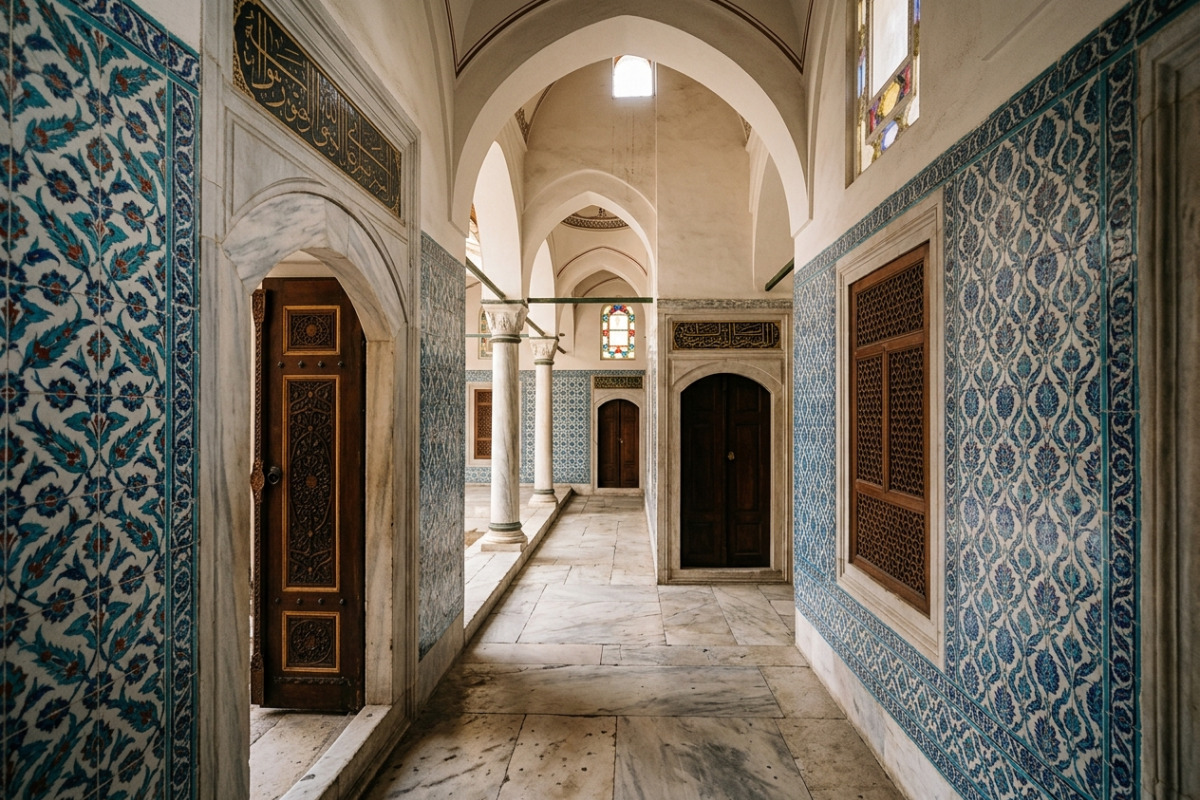
The interior is a marvel of craftsmanship that demands a slow, contemplative walk. The walls are lined with 16th and 17th-century Iznik tiles, but the true highlight is the window shutters. They are inlaid with mother-of-pearl and tortoiseshell, catching the light in a way that photographs simply cannot capture. Take a moment to appreciate the following details inside the library:
- The low divans: Designed for scholars to sit cross-legged while reading manuscripts.
- The central fountain: Not just for decoration, the sound of running water provided privacy for conversations and kept the air humid to protect the books.
- The dome geometry: A perfect architectural representation of the heavens, meant to inspire high thoughts.
The Baghdad Pavilion: The Peak of Iznik Artistry
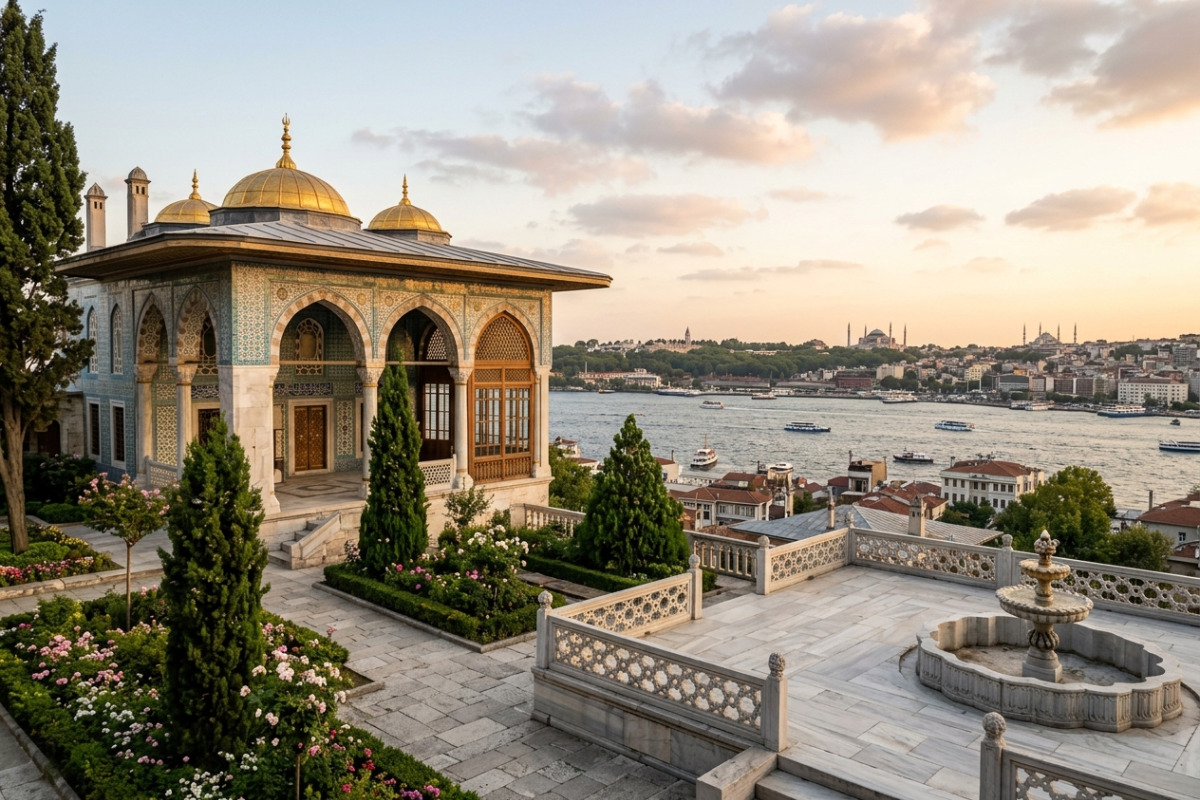
While the Harem is famous for its tiles, the Baghdad Pavilion (Bağdat Köşkü) in the Fourth Courtyard represents the absolute zenith of Iznik tile making. Built to commemorate the campaign to recapture Baghdad in 1638, this structure is often viewed only from the outside by tourists admiring the view of the Golden Horn. However, the interior is where the true mastery lies. The tiles here are not merely decorative; they are technically superior to almost anything else in the complex, featuring the deepest cobalt blues and the most vibrant tomato reds—a color that later tile makers struggled to reproduce.
Inside the pavilion, the woodwork is equally impressive. The inlay work on the cabinet doors and the dome's intricate painting create a jewelry-box effect. It is one of the few places in the palace where you can see the harmonious blend of Persian and Ottoman artistic influences. Look for the inscription on the frieze running around the room; it is a masterpiece of calligraphy that integrates seamlessly with the floral motifs of the tiles.
Comparison: Mainstream vs. Hidden Gems
To help you prioritize your time, here is a breakdown of what the average tourist sees versus the hidden treasures you should seek out:
| Mainstream Attraction | The Hidden Gem Alternative | Why You Should See It |
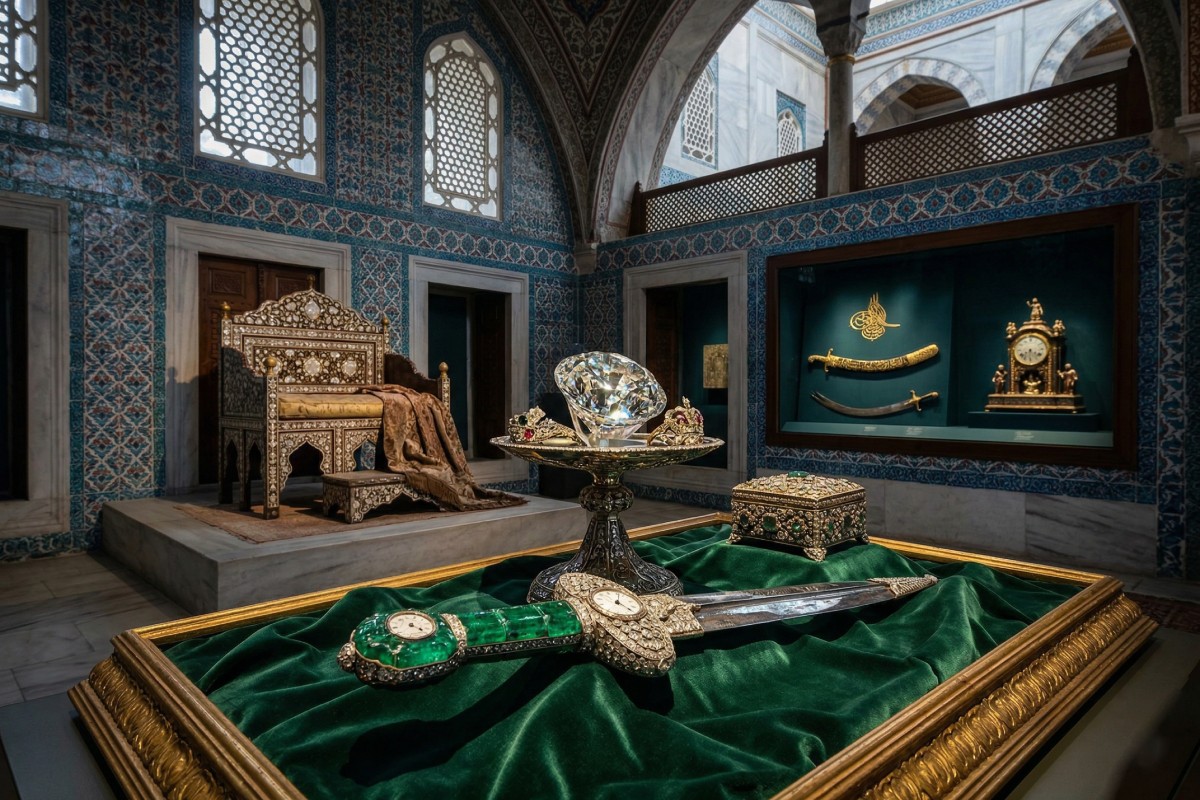
| The Spoonmaker's Diamond | The Topkapi Dagger | While the diamond is big, the dagger features three massive emeralds and a hidden watch in the hilt, showcasing incredible engineering. |
| The Main Harem Hall | The Courtyard of the Eunuchs | Often rushed through, this area reveals the grim reality of the guards' lives and features unique, less restored tile work. |
| The Holy Mantle | The Destimal Collection | Handkerchiefs used to wrap holy relics, showcasing the delicate textile arts often overshadowed by gold and silver. |
| Imperial Council Hall | The Outer Treasury (Arms Collection) | Houses distinct Japanese Samurai armor gifted to the Sultan, a rare non-Ottoman artifact. |
The Portrait of Fatih Sultan Mehmed
Art lovers should make a specific effort to find the portrait of Mehmed the Conqueror (Fatih Sultan Mehmed). While many paintings in the museum are standard imperial representations, this specific piece is attributed to the school of Gentile Bellini, the Venetian painter sent to Istanbul in the 15th century. This cultural exchange was significant; it showed the Sultan's interest in Renaissance art and his desire to be immortalized by the best artists of the West. The portrait captures a human side of the conqueror—smelling a rose—which is a sharp contrast to the warrior image usually projected. It is a subtle, quiet piece that speaks volumes about the cosmopolitan nature of the early Ottoman court.
The Sacred Swords of the Chamber of Holy Relics
The Chamber of Holy Relics is arguably the most spiritual section of the museum, where the Quran has been recited continuously for centuries. While the crowds flock to see the staff of Moses or the mantle of the Prophet Muhammad, the collection of swords belonging to the Prophet’s companions (Sahaba) is often overlooked. These weapons are not just military artifacts; they are revered as sacred objects.
What makes them fascinating from a historical perspective is the evolution of their hilts and scabbards. Over centuries, Ottoman sultans refurbished these plain, 7th-century blades with jeweled hilts and gold scabbards to show their reverence. This layering of history—an ancient iron blade encased in 16th-century Ottoman gold—physically demonstrates the claim of the Ottomans as the inheritors and protectors of the Caliphate. Pay close attention to the inscriptions on the blades; they are some of the earliest examples of Islamic calligraphy in the museum.
Final Tips for the Explorer
Finding these hidden gems requires patience and a slower pace. The museum is vast, and sensory overload can set in quickly. To have the best experience, try to arrive early in the morning, heading straight for the Fourth Courtyard and working your way backward against the flow of the crowd. Don't just look at the objects; look at the walls, the ceilings, and the floors. In Topkapi, the building itself is as much an exhibit as the treasures it holds. By focusing on these lesser-known details, you transform a standard sightseeing trip into a profound journey through history.
Ready to uncover more secrets? Let your curiosity guide you, and you'll find that Topkapi Palace still has countless stories waiting to be discovered. Happy exploring!