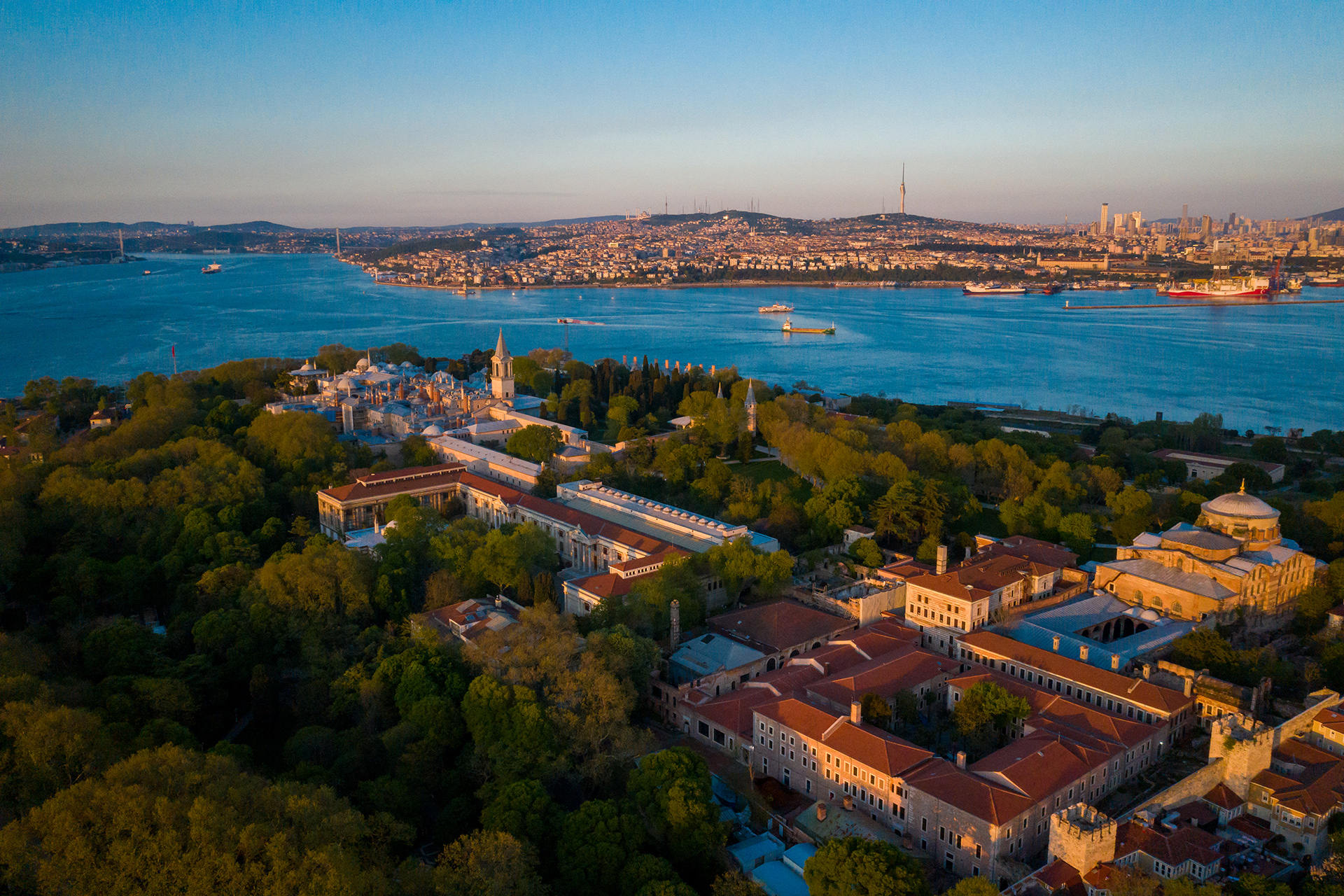
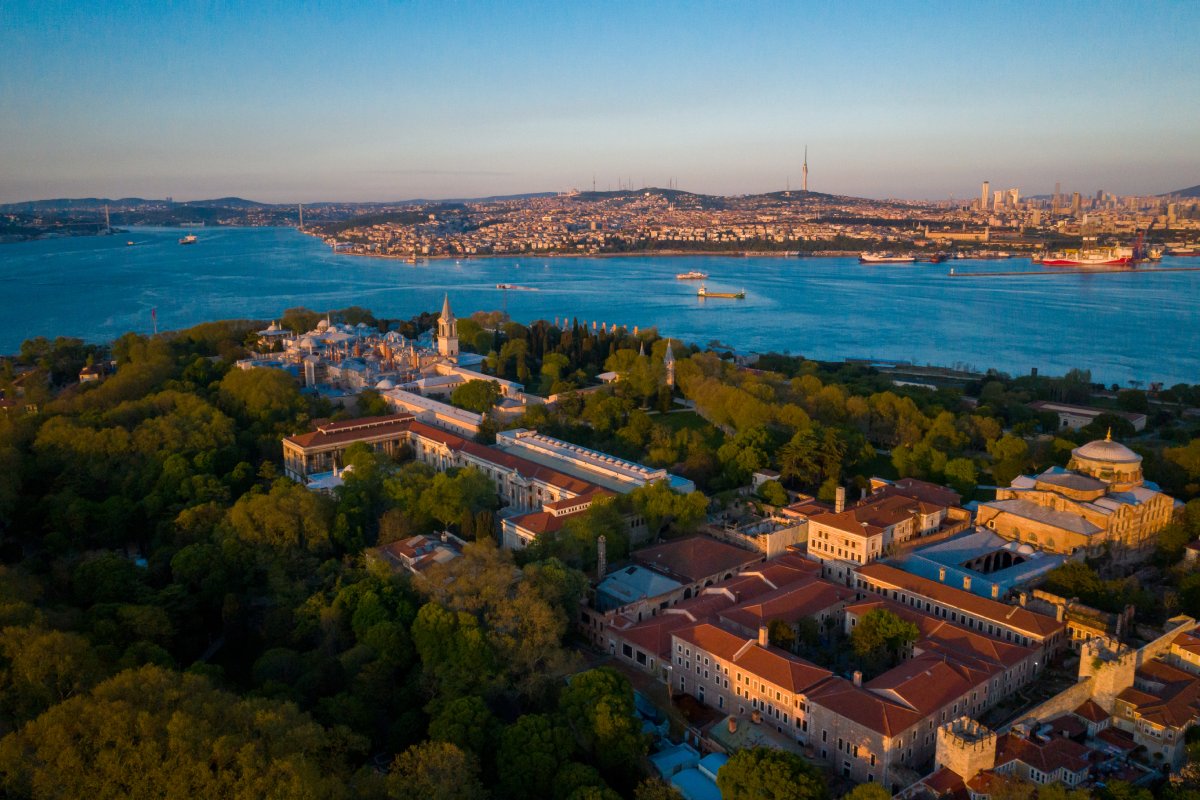
"The Topkapi Palace was not merely a residence, but the brain and heart of a colossal
empire that spanned three continents."
Construction began in 1459, ordered by Sultan Mehmed II, the Conqueror of Byzantine
Constantinople. For the next 400 years, this sprawling complex served as the administrative
center and primary residence of the Ottoman Sultans. It is a city within a city, separated
from the rest of Istanbul by high walls.
In 1985, Topkapi Palace was inscribed as a UNESCO World Heritage site. It stands as the
finest example of Ottoman palace architecture, featuring a series of four courtyards
surrounded by high walls, each serving a different purpose, from public administration to
the Sultan's private life.
Did you know
The palace complex once housed a private school for training
imperial administrators and diplomats.
Unlike European palaces of the same era, Topkapi is not a single monumental building but a
collection of pavilions, kiosks, and gardens. This reflects the nomadic origins of the
Ottomans—a petrified military camp where function dictated form, and nature was integrated
into the living space.