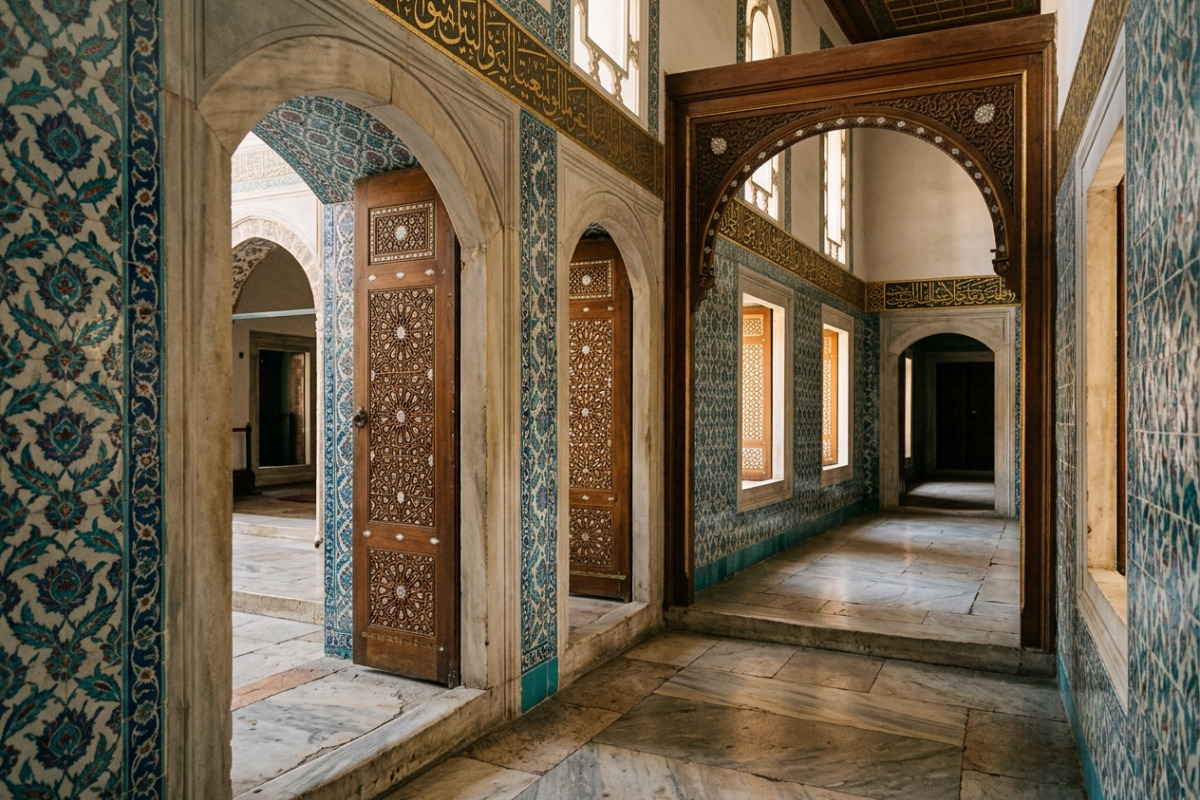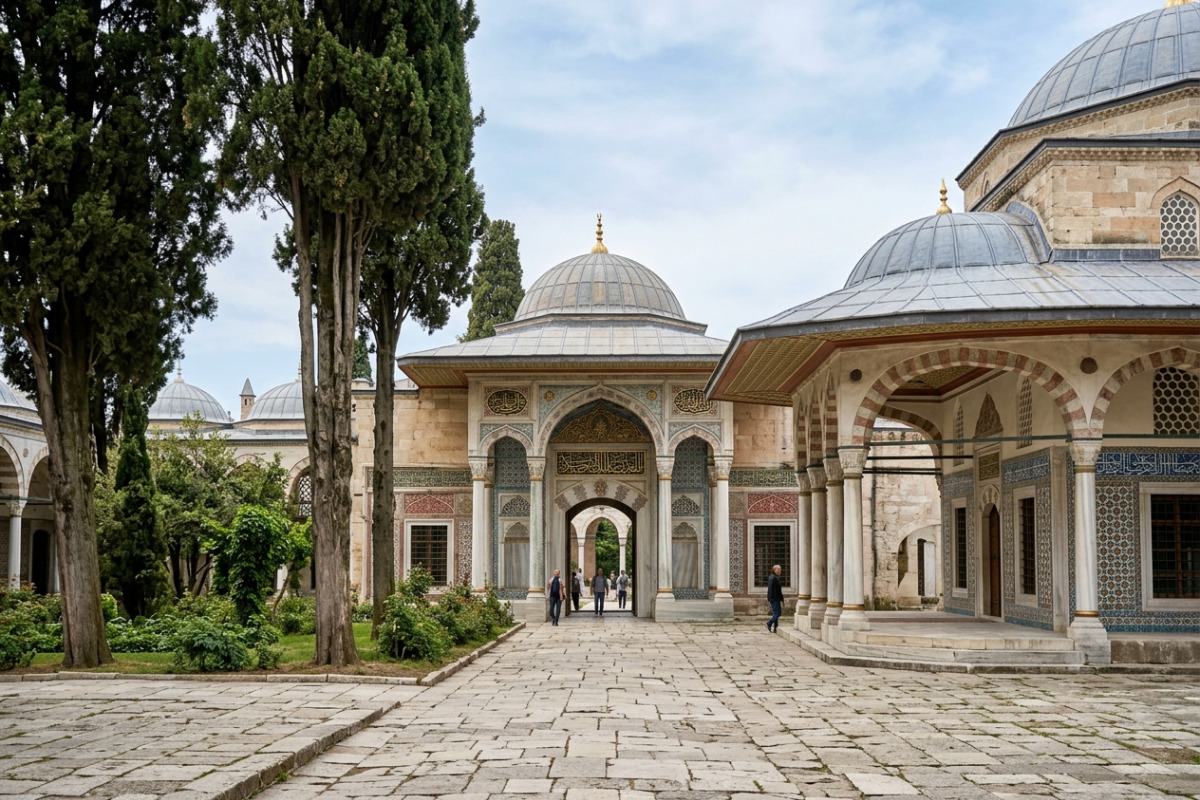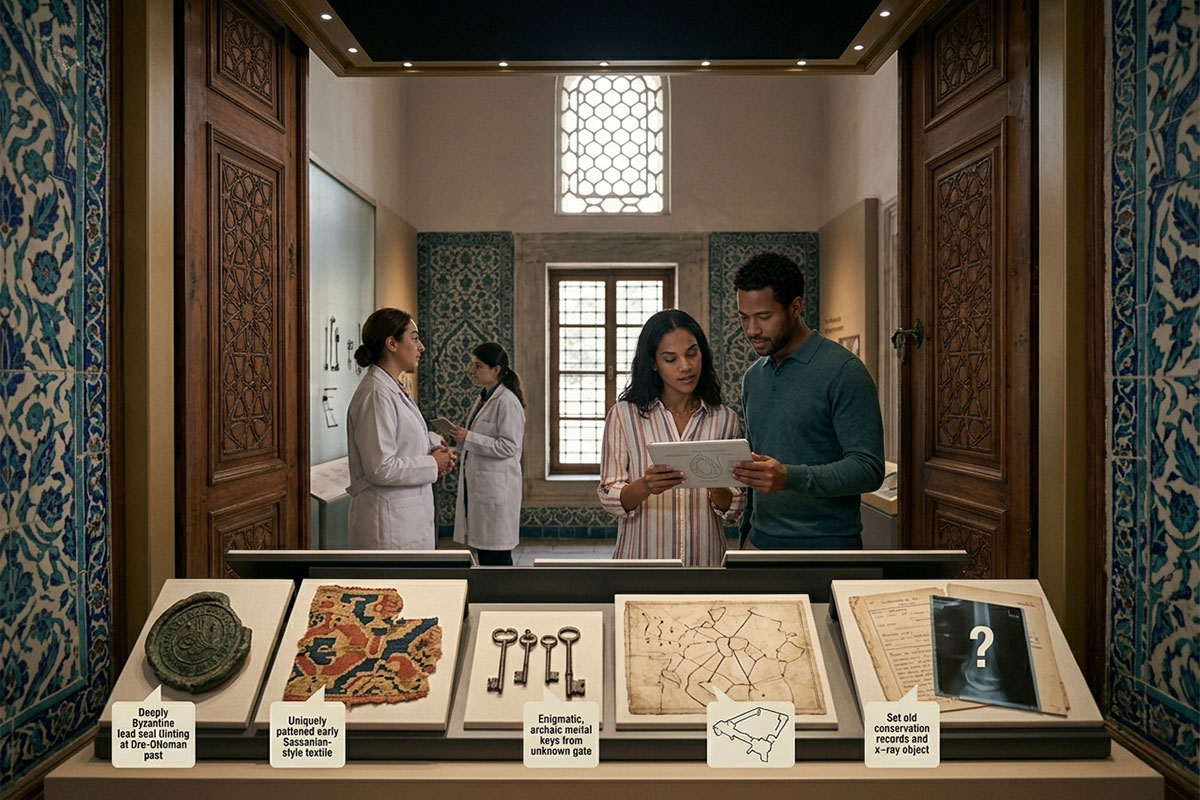
Step into the world of Ottoman Sultans as we explore the fascinating history behind the Topkapi Palace collections. From the Sacred Relics to the glimmering Imperial Treasury, discover how centuries of conquest, diplomacy, and devotion created one of the world's most significant museums. Imagine walking through the Imperial Gate of Topkapi Palace, the cool breeze of the Bosphorus brushing against your face. It feels less like entering a museum and more like stepping into a frozen moment of imperial grandeur. For nearly four centuries, this sprawling complex was the political and symbolic heart of the Ottoman Empire, a place where decisions affecting three continents were made. However, beyond the stunning architecture and the tiled walls of the Harem, lies the true soul of the palace: its collections. As we wander through these hallowed halls, we are not merely looking at objects; we are witnessing the tangible evidence of a superpower that once bridged the East and the West. The artifacts housed here are not random assortments; they are the result of meticulous curation, spoils of war, diplomatic gifts, and deep spiritual devotion, each piece whispering a secret from the past. Think of the weight of history held within those walls, the echoes of sultans and courtiers, the silent stories waiting to be unearthed.
A Treasury Built on Conquest and Diplomacy
The sheer diversity of the Topkapi Palace collections is a testament to the vast reach of the Ottoman Empire. Unlike many European museums that acquired collections through purchase or excavation in later centuries, Topkapi’s inventory grew organically alongside the empire's expansion. When a Sultan conquered a region, the most precious items—be they books, jewelry, or weapons—were brought to the capital as symbols of power and legitimacy. This accumulation created a cultural mosaic where Persian miniatures sit comfortably alongside Mamluk swords and European clocks. For example, imagine a delicately crafted Persian miniature depicting a scene from the Shahnameh, placed next to a formidable Mamluk sword, its blade still gleaming after centuries. This juxtaposition highlights the diverse influences that shaped the Ottoman aesthetic.
However, it would be a mistake to view these collections solely as the spoils of war. A significant portion of the treasury consists of diplomatic gifts presented to the Sultans by foreign envoys seeking favor or trade agreements. The Ottomans were the gatekeepers of the Silk Road, and rulers from France to China sent their finest craftsmanship to Istanbul to impress the Sublime Porte. This exchange of luxury goods turned the palace into a global repository of art, reflecting the shifting political alliances of the early modern world. Consider the intricate clocks sent by European monarchs, symbols of technological prowess and diplomatic goodwill, now silent witnesses to the passage of time within the palace walls.
The Glittering Imperial Treasury
Perhaps the most popular section for visitors is the Imperial Treasury (Hazine-i Hümayun), housed in the Conqueror’s Pavilion. This is where the narrative of Ottoman wealth becomes visually overwhelming. The items here were not just stored wealth; they were functional pieces used in ceremonies to project awe and majesty. The craftsmanship displays a unique blend of heavy Eastern influence with a refinement that became distinctly Ottoman over the centuries.
- The Spoonmaker's Diamond: Surrounded by myths of being found in a rubbish heap, this 86-carat pear-shaped diamond is the crown jewel of the collection, mesmerizing visitors with its double row of 49 old-mine cut diamonds. Imagine the light catching those facets, a dazzling display of wealth and power.
- The Topkapi Dagger: Famous for its emerald-studded hilt and a hidden watch, this piece was originally intended as a gift for the Shah of Iran but returned to the palace after the Shah's assassination, becoming a permanent symbol of the treasury. It's a reminder that even the most opulent gifts can be caught in the web of political intrigue.
- Thrones of Power: The collection includes the gold-plated Bayram Throne and the Nadir Shah Throne, showcasing the literal seat of power from which the Sultans ruled the world. These thrones, adorned with precious stones and intricate carvings, were not just furniture; they were symbols of divine right and earthly authority.
The Sacred Relics: A Spiritual Legacy
While the Treasury dazzles with gold, the Chamber of the Holy Relics (Has Oda) commands a different kind of respect—silence and reverence. The origins of this collection date back to 1517, following Sultan Selim I’s conquest of Egypt. By defeating the Mamluks and claiming the Caliphate, Selim I brought the most sacred items of Islam to Istanbul, effectively shifting the spiritual center of the Muslim world to the Ottoman capital. This was a political masterstroke that legitimized the Ottoman Sultans as the protectors of the faith.
Inside this chamber, the atmosphere is heavy with devotion, accompanied by the continuous recitation of the Quran, a tradition that has been maintained for centuries. The artifacts here are considered priceless beyond any material value. They serve as a physical connection to the Prophet Muhammad and other major figures in Islamic history. The preservation of these items was a sacred duty, handled with the utmost care by the Sultans themselves, who would often clean the room personally as an act of humility.
Key Artifacts in the Sacred Trust
| Artifact Name | Significance | Origin/Acquisition |
| The Holy Mantle (Hırka-i Şerif) | The Prophet Muhammad's cloak, kept in a golden chest. | Brought from Cairo by Selim I in 1517. |
| The Holy Banner (Sancak-ı Şerif) | Standard used in military campaigns to inspire troops. | Acquired during the conquest of Egypt. |
| Swords of the Four Caliphs | Weapons belonging to the first successors of Islam. | Collected over various campaigns and transfers. |
| The Footprint of the Prophet | A stone impression of the Prophet's foot. | Transferred from religious sites in the Middle East. |
The Porcelain Route: East Meets West
One of the most surprising and extensive collections within the palace is the Imperial Porcelain collection. Housing over 10,000 pieces, it is one of the finest collections of Chinese and Japanese porcelain in the world outside of East Asia. The origins of this massive inventory lie in the robust trade along the Silk Road. For centuries, Chinese celadon was highly prized by the Ottoman court, not just for its beauty, but for a pervasive myth: it was believed that celadon dishes would change color or break if they came into contact with poisoned food. Given the palace intrigues and the constant fear of assassination, these dishes became essential to the Sultan's dining table.
As tastes evolved, so did the collection. By the 18th century, the Ottomans began commissioning custom pieces from Europe, particularly from manufacturers in Vienna and Berlin. This shift marks a fascinating transition in Ottoman history, reflecting the empire's increasing turn towards the West (Westernization) in terms of art and lifestyle. Walking through the palace kitchens today, seeing these rows of delicate blue and white ceramics, one can almost hear the clatter of preparations for a grand feast during the Tulip Era. Imagine the chefs meticulously arranging dishes, the scent of exotic spices filling the air, a symphony of culinary artistry.
The Wardrobe of the Sultans
History often feels abstract until you see the clothes the people lived in. The Imperial Wardrobe collection at Topkapi offers a deeply personal look at the Sultans. Unlike gold or stone, textiles are fragile, making the survival of these kaftans miraculous. The Ottomans preserved the garments of deceased Sultans in bundles, labeling them and storing them in the treasury—a practice that has left us with a fashion timeline spanning 500 years. These were not just clothes; they were statements of status, woven with silver and gold threads, featuring complex talismans and verses for protection.
The sheer size of some kaftans can be startling, giving a sense of the physical presence of figures like Suleiman the Magnificent. The fabrics used—heavy silks, velvets, and brocades—were produced in the imperial workshops of Bursa and Istanbul, representing the pinnacle of Ottoman textile art. Examining the patterns, we see the tulip, the carnation, and the cloud motifs that defined the empire's aesthetic identity. These garments tell the story of the empire's economic power, as the control of the silk trade was a cornerstone of Ottoman prosperity. Envision the skilled artisans meticulously weaving these fabrics, each thread a testament to their dedication and artistry.
A Legacy Preserved for the Future
The collections of Topkapi Palace are far more than a display of wealth; they are an archive of human ambition, faith, and artistry. Every emerald-encrusted dagger and every faded manuscript page holds a story of the person who held it. Whether acquired through the thunder of cannons or the quiet exchange of diplomats, these objects were curated to define what it meant to be an Ottoman.
As we navigate the museum, the enigma of these origins continues to captivate us. The palace does not just show us the past; it allows us to feel the weight of it. For travelers and history enthusiasts alike, understanding the origins of these collections transforms a visit to Topkapi from a simple tour into a profound journey through the timeline of a civilization that shaped the modern world.